 Chat with us

 Get a Quote
 Send Inquiry
Stainless Steel 304 Pipe
Price 230 INR/ Kilograms
MOQ : 100 Kilograms
Stainless Steel 304 Pipe Specification
- Product Type
- Stainless Steel 304 Pipe
- Material
- Stainless Steel
- Type
- Seamless / Welded Pipe, Seamless Pipe
- Shape
- Round
- Technics
- Cold Rolled
- Surface Treatment
- Polished, Polished
- Standard
- ASTM A312 / ASTM A213, ASTM A312
- Thickness
- 1 mm to 50 mm
- Length
- Up to 6 Meter
- Outer Diameter
- 6 mm to 630 mm
- Grade
- SS304
- Color
- Silver
- Temperature Resistance
- Up to 870C
- End Connections
- Plain End / Beveled End
- Corrosion Resistance
- Excellent
- Density
- 8.0 g/cm3
- Application
- Industrial, Construction, Chemical & Petrochemical
Stainless Steel 304 Pipe Trade Information
- Minimum Order Quantity
- 100 Kilograms
- Supply Ability
- 5000 Kilograms Per Month
- Delivery Time
- 7 Days
About Stainless Steel 304 Pipe
Stainless Steel 304 Pipe offered by our company, is primarily used in piping systems for the transport of fluids or gases. We manufacture steel pipe from a steel alloy containing nickel as well as chromium, which give stainless steel its corrosion-resistant properties. We are using improved and cost-efficient production technologies. Stainless Steel 304 Pipe has good to excellent corrosion resistance and smooth finishing characteristics. This steel is also used as a finish for refrigerators, freezers, countertops and dishwashers. This is very cost effective to use.
Application: Automobile Industry, Construction
High Performance Across Harsh Environments
Stainless Steel 304 Pipes are built to excel under demanding conditions, making them ideal for the chemical, petrochemical, industrial, and construction sectors. Their superior corrosion resistance and high-temperature tolerance ensure dependability even in aggressive environments. These pipes operate efficiently up to 870C and withstand exposure to corrosive chemicals and elements, making them a trusted choice for critical infrastructure projects or processing lines.
Flexible Specifications for Diverse Projects
Available in an extensive range of thicknesses (1mm to 50mm), diameters (6mm to 630mm), and lengths up to 6 meters, SS304 pipes can be tailored to meet precise project requirements. End connections include both plain and beveled ends, accommodating various joining techniques. As both seamless and welded types are offered, there is flexibility for high-pressure or specialized fluid transfer systems.
Quality Assurance & Standards Compliance
Our pipes are produced through advanced cold-rolled, polished manufacturing techniques and strictly adhere to industry benchmarks such as ASTM A312 and ASTM A213. This ensures each pipe delivers top-notch mechanical properties, dimensional accuracy, and enduring surface finish. Every product is subjected to rigorous quality control for assured performance and safety in end-use applications.
FAQ's of Stainless Steel 304 Pipe:
Q: How are Stainless Steel 304 Pipes typically used in industrial and construction applications?
A: Stainless Steel 304 Pipes are commonly employed to transport fluids, gases, and chemicals in industrial, chemical, petrochemical, and construction projects. Their resistance to corrosion and high temperatures makes them suitable for structural frameworks, process piping, and utility lines where robust performance and longevity are essential.Q: What benefits does seamless piping offer compared to welded pipes?
A: Seamless pipes provide a uniform structure without weld seams, resulting in higher strength, better pressure resistance, and minimal risk of leakage. This makes them highly suitable for high-pressure or critical applications, while welded pipes can be more economical for lower-pressure or structural uses.Q: Where can these SS304 pipes be installed, considering their temperature and corrosion properties?
A: These pipes are suitable for installations in plants processing chemicals, refineries, construction sites, and other areas exposed to harsh conditions. Their ability to resist corrosion and tolerate temperatures up to 870C allows safe use in both indoor and outdoor severely corrosive environments.Q: What is the typical process for manufacturing polished Stainless Steel 304 pipes?
A: The pipes are produced using advanced cold rolling techniques, ensuring tight dimensional tolerances. After shaping into seamless or welded forms, the surfaces are polished to achieve a bright, smooth, and corrosion-resistant finish. This process adheres to ASTM A312/A213 standards, ensuring high quality and performance.Q: How do you select the correct pipe dimensions for a specific application?
A: The right pipe size depends on the intended use, pressure requirements, and fluid or gas type. Options range from 1mm to 50mm in wall thickness and 6mm to 630mm in diameter, with lengths up to 6 meters. Consulting with a supplier or engineer ensures proper selection for safe and efficient operation.Q: When should plain end versus beveled end pipes be used?
A: Plain end pipes are generally used for slip-on fittings, socket welds, or threading applications, while beveled end pipes are preferred for butt-welding connections. The choice depends on the joining technique and specific project requirements.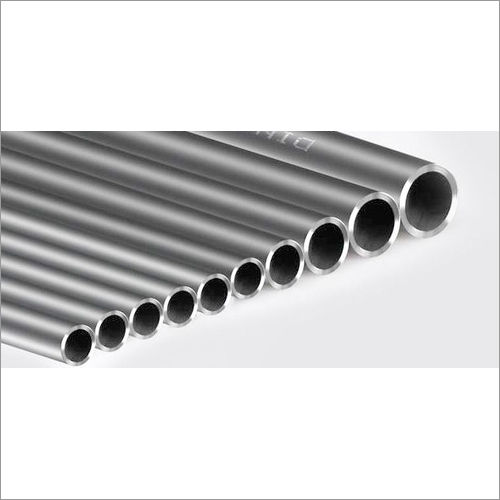
Tell us about your requirement

Price:
Quantity
Select Unit
- 50
- 100
- 200
- 250
- 500
- 1000+
Additional detail
Mobile number
Email

More Products in 304 Stainless Steel Category
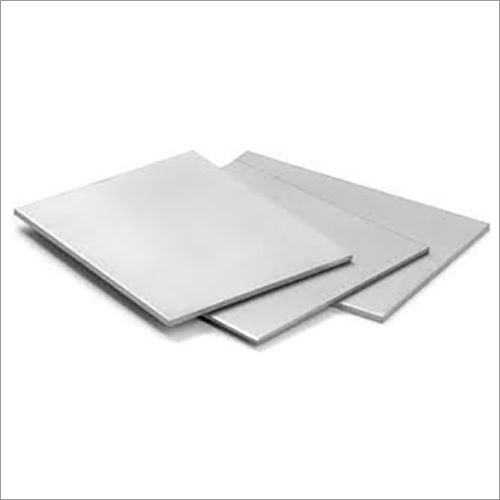
Stainless Steel 304 Sheet
Price 180 INR / Kilograms
Minimum Order Quantity : 100 Kilograms
Material : Stainless Steel
Color : Silver
Product Type : Other, Stainless Steel 304 Sheet
Shape : Rectangular
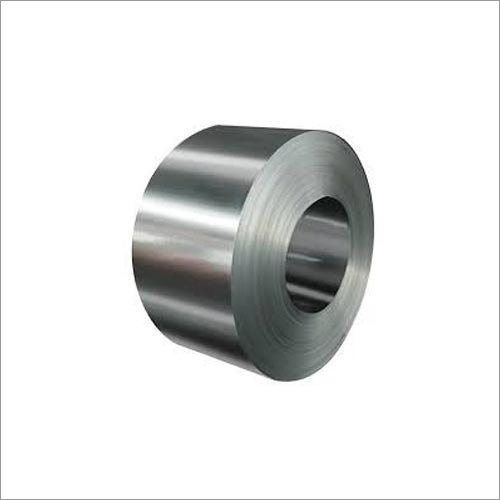
Steel Coil
Price 120 INR / Square Foot
Minimum Order Quantity : 100 Square Foots
Material : Stainless Steel
Color : Silver
Product Type : Steel Coil, Other
Shape : Round
Stainless Steel 304 Tube
Minimum Order Quantity : 10 Pieces
Material : Stainless Steel
Color : Gray
Product Type : Other, Tube
Shape : Round

Contact Us

- Regd Office Address : 1302, Dr Nanasaheb Deskhmukh CHS Dr Deshmukh Lane, Mumbai - 400004, Maharashtra, India
- Phone :08045478595

- Mr Vicky M Jain (Partner)
- Mobile :08045478595
- Send Inquiry
- Workshop : Shop No. 1 'B', Wing Shreepati Tower Pimpalwadi, Mumbai - 400004, Maharashtra, India
 Send Inquiry
Our Products
- Aluminium Products
- Industrial Flanges
- Stainless Steel 304L
- Nickel Alloy Pipes and Tubes
- Stainless Steel Pipes and Tubes
- Stainless Steel Perforated Sheets
- Stainless Steel Fasteners
- 304 Stainless Steel
- Stainless Steel Wiremesh
- Duplex Products
- Metal Coils
- Stainless Steel 316TI
- Stainless Steel 316L
- 321 Stainless Steel
- Titanium Round Bar
- Aluminium Extrusions
- Non Ferrous Metal
- Mild Steel Products
- Forge Pipe Fittings
- 316 Stainless Steel
- Stainless Steel Pipes & Tubes
- Carbon Products
- Acrylic Sheets
- Orifice Flanges
- Aluminium Sheets
- Stainless Fittings
- Sheet Metal
- Square Bars
- Brazing Strip
- Duplex Pipes
- Forged Pipe Elbows Fittings
- Brass Flat Bar
- Stainless Steel 316 Flanges
- Metal Round Bar
- Butweld Fittings
- Flat Copper Bar
 Send Inquiry
 Send SMS
Developed and Managed by Infocom Network Private Limited.


 English
 Spanish
 French
 German
 Italian
 Chinese (Simplified)
 Japanese
 Korean
 Arabic
 Portuguese
