 Chat with us

 Get a Quote
 Send Inquiry
Drawing Flanges
MOQ : 100 Pieces
Drawing Flanges Specification
- Product Type
- Drawing Flanges
- Material
- Stainless steel
- Shape
- Round
- Surface
- Galvanized
- Size
- 1/8" NB TO 48"NB.
- Color
- Silver
Drawing Flanges Trade Information
- Minimum Order Quantity
- 100 Pieces
- Supply Ability
- 5000 Pieces Per Month
- Delivery Time
- 7 Days
About Drawing Flanges
Drawing Flanges offered by our company, are commonly used for industrial, commercial, and institutional application. These flanges are steel pipe flanges are available in variety of styles and pressure classes. They are used in wide variety of hazardous waste management technologies where great resistance to corrosion is required. Our Drawing Flanges also provide easy access for cleaning, inspection or modification. Flanges are usually welded or screwed. These flanges are placed on pipe and fillet welded from both inside and outside.
Specification
- Carbon Steel : ASTM A 105, ASTM A 181
- Alloy Steel : ASTM A 182, GR F1, F11, F22, F5, F9, F91
- Nickel Alloys : Monel 400 & 500, inconel 600 & 625, incolloy 800, 825, hastelloy C22,C276
- Copper Alloys : Copper, Brass & Gunmetal
- Size : 1/8" NB TO 48"NB.
- Class : 150#, 300#,400 #,600#,900#, 1500# & 2500 #
Standards :
- ANSI : ANSI B16.5, ANSI B16.47, MSS SP44, ANSI B16.36, ANSI B16.48
- DIN : DIN2527, DIN2566, DIN2573, DIN2576, DIN2641, DIN2642, DIN2655, DIN2656, DIN2627, DIN2628, DIN2629, DIN 2631, DIN2632, DIN2633, DIN2634, DIN2635, DIN2636, DIN2637, DIN2638, DIN2673
Comprehensive Size Range
The Drawing Flanges are available in sizes from 1/8" NB up to a substantial 48" NB, catering to various industrial requirements. This extensive selection makes them ideal for both small-scale pipelines and large infrastructure projects. The round shape provides a universal fit for most pipe systems.
Enhanced Surface Protection
Galvanized coating on our stainless steel flanges offers an added layer of protection against environmental factors. This surface treatment significantly increases the lifespan of the product, making it suitable for use in harsh or corrosive environments.
Quality Assurance and Global Reach
As a trusted distributor, exporter, importer, manufacturer, supplier, and trader operating out of India, we ensure that every flange undergoes rigorous quality checks. Our established network allows timely delivery and technical support to clients worldwide.
FAQ's of Drawing Flanges:
Q: How are Drawing Flanges with galvanized surfaces manufactured?
A: Drawing Flanges are fabricated using high-grade stainless steel and are shaped into rounds. The manufacturing process includes cutting, forming, welding (if required), and then applying a galvanized coating to protect the surface from corrosion and enhance durability.Q: What applications do these Drawing Flanges serve?
A: These flanges are widely used in piping systems for industries such as oil & gas, water treatment, and chemical processing. Their robust construction and corrosion-resistant properties make them suitable for both high-pressure and normal pipeline connections.Q: When should I opt for a galvanized stainless steel flange over a standard one?
A: Galvanized stainless steel flanges are ideal for environments prone to moisture, chemicals, or aggressive weather. The additional galvanized layer offers superior resistance to rust and deterioration, making them suitable for both indoor and outdoor installations.Q: Where can these Drawing Flanges be supplied from and exported to?
A: Operating from India, we supply and export Drawing Flanges across the nation as well as internationally, serving clients in multiple continents thanks to our wide distribution network.Q: What is the process for ordering and receiving these flanges?
A: Customers can request a quote or place orders directly through our sales channels. Once orders are confirmed, we coordinate timely manufacturing, galvanization, quality inspections, packaging, and shipment to ensure secure and prompt delivery.Q: How do these Drawing Flanges benefit industrial piping systems?
A: Their corrosion-resistant, durable design ensures long-term reliability and safety in various industrial applications. The versatility in sizes and the galvanized finish minimize the need for frequent maintenance, reducing overall operational costs.Q: What are the usage guidelines for installing these flanges?
A: It is recommended to follow standard flange installation procedures: ensure clean pipe ends, use appropriate gaskets, tighten bolts in a cross-pattern sequence, and inspect for leaks after assembly to maximize the efficiency and lifespan of the connection.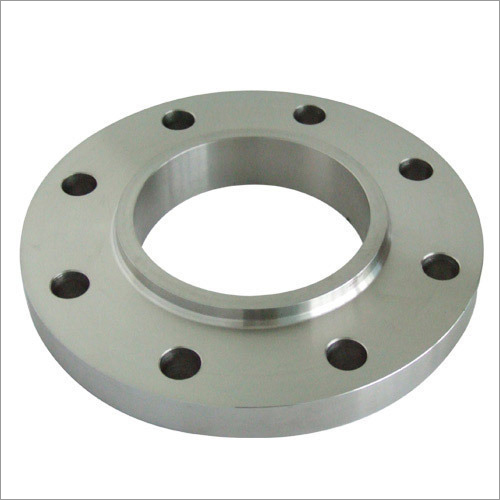
Tell us about your requirement

Price:
Quantity
Select Unit
- 50
- 100
- 200
- 250
- 500
- 1000+
Additional detail
Mobile number
Email

More Products in Industrial Flanges Category
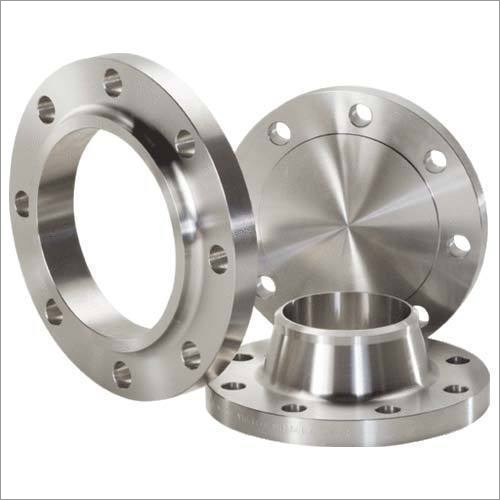
Carbon Steel Flanges
Minimum Order Quantity : 100 Pieces
Shape : Round
Material : Stainless steel
Color : Silver
Size : 01 inch,15 inch
Surface : Painted
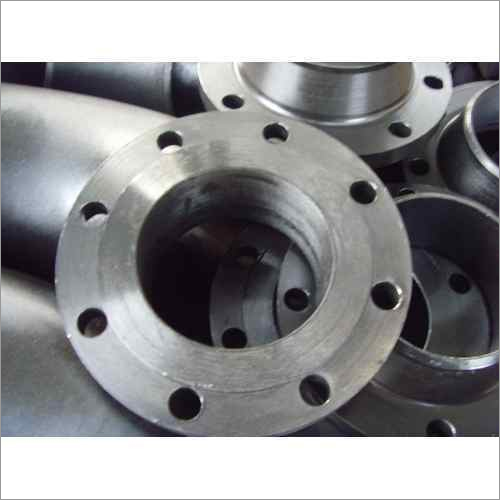
Screwed Flanges
Minimum Order Quantity : 100 Pieces
Shape : Round
Material : Stainless steel
Color : Silver
Industrial Flanges
Shape : Round
Material : Stainless Steel
Color : Sliver
Size : 15 inch,01 inch
Surface : Painted

Contact Us

- Regd Office Address : 1302, Dr Nanasaheb Deskhmukh CHS Dr Deshmukh Lane, Mumbai - 400004, Maharashtra, India
- Phone :08045478595

- Mr Vicky M Jain (Partner)
- Mobile :08045478595
- Send Inquiry
- Workshop : Shop No. 1 'B', Wing Shreepati Tower Pimpalwadi, Mumbai - 400004, Maharashtra, India
 Send Inquiry
Our Products
- Aluminium Products
- Industrial Flanges
- Stainless Steel 304L
- Nickel Alloy Pipes and Tubes
- Stainless Steel Pipes and Tubes
- Stainless Steel Perforated Sheets
- Stainless Steel Fasteners
- 304 Stainless Steel
- Stainless Steel Wiremesh
- Duplex Products
- Metal Coils
- Stainless Steel 316TI
- Stainless Steel 316L
- 321 Stainless Steel
- Titanium Round Bar
- Aluminium Extrusions
- Non Ferrous Metal
- Mild Steel Products
- Forge Pipe Fittings
- 316 Stainless Steel
- Stainless Steel Pipes & Tubes
- Carbon Products
- Acrylic Sheets
- Orifice Flanges
- Aluminium Sheets
- Stainless Fittings
- Sheet Metal
- Square Bars
- Brazing Strip
- Duplex Pipes
- Forged Pipe Elbows Fittings
- Brass Flat Bar
- Stainless Steel 316 Flanges
- Metal Round Bar
- Butweld Fittings
- Flat Copper Bar
 Send Inquiry
 Send SMS
Developed and Managed by Infocom Network Private Limited.


 English
 Spanish
 French
 German
 Italian
 Chinese (Simplified)
 Japanese
 Korean
 Arabic
 Portuguese
